
Global Child Labour
GLOBAL CHILD LABOUR
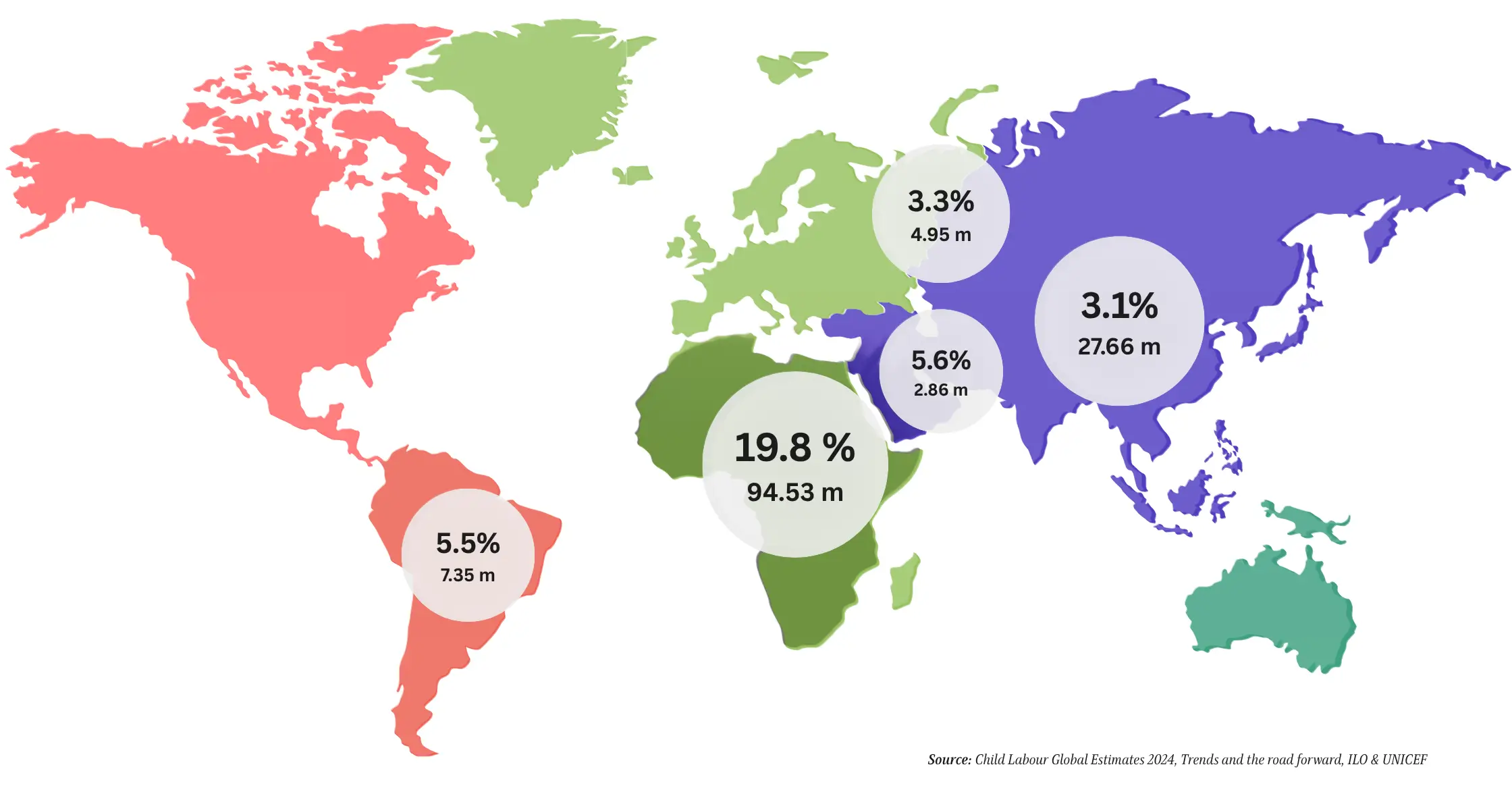
According to the International Labour Organization (ILO), there are approximately 138 million children worldwide who are subjected to child labour. This includes:
- 59 million girls and 78 million boys are engaged in child labour.
- Nearly half of these children, approximately 54 million, are involved in hazardous work.
- Child labour accounts for nearly 4 in 10 children globally.
2024 Global Estimates of Child Labour
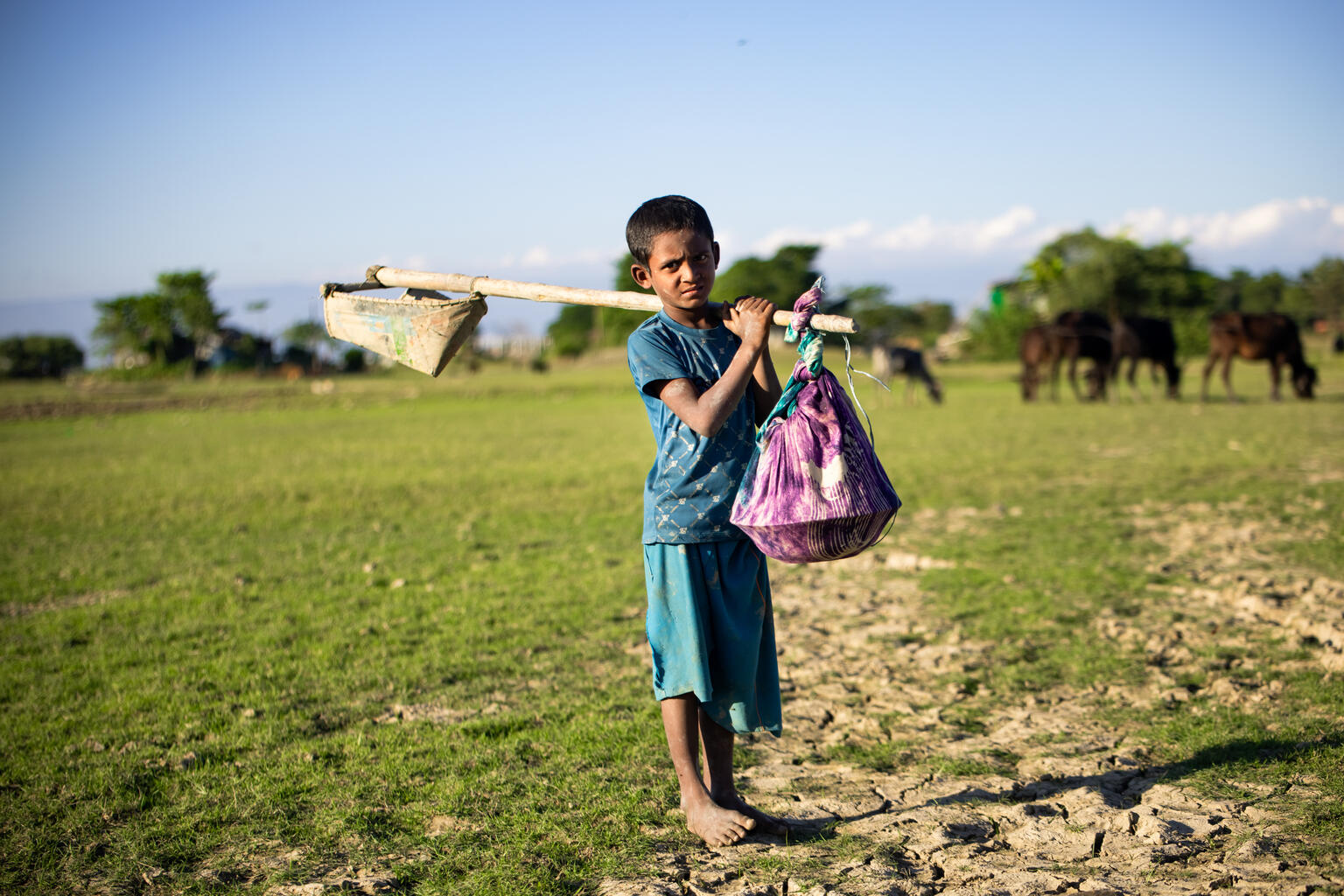
Child Labour: Global estimates 2024, trends and the road forward
Published for the first time jointly by the ILO and UNICEF, as co- custodians of Target 8.7 of the Sustainable Development Goals, the report takes stock of where we stand in the global effort to end child labour.
Child labour statistical profile

Highlights
International Labour Standards on child labour
One of the most effective methods of ensuring that children do not start working too young is to set the age at which children can legally be employed or otherwise work. The aim of ILO Convention No. 138 on the minimum age is the effective abolition of child labour by requiring countries to: (1) establish a minimum age for entry into work or employment; and (2) establish national policies for the elimination of child labour.
One of the most effective methods of ensuring that children do not start working too young is to set the age at which children can legally be employed or otherwise work. The aim of ILO Convention No. 138 on the minimum age is the effective abolition of child labour by requiring countries to: (1) establish a minimum age for entry into work or employment; and (2) establish national policies for the elimination of child labour.
One of the most effective methods of ensuring that children do not start working too young is to set the age at which children can legally be employed or otherwise work. The aim of ILO Convention No. 138 on the minimum age is the effective abolition of child labour by requiring countries to: (1) establish a minimum age for entry into work or employment; and (2) establish national policies for the elimination of child labour.
One of the most effective methods of ensuring that children do not start working too young is to set the age at which children can legally be employed or otherwise work. The aim of ILO Convention No. 138 on the minimum age is the effective abolition of child labour by requiring countries to: (1) establish a minimum age for entry into work or employment; and (2) establish national policies for the elimination of child labour.