
Child Labour in Keraniganj
Pioneering the Path to a Child Labor-Free Future
Keraniganj, a bustling industrial hub in Bangladesh, is taking significant strides towards becoming the nation’s first child labor-free zone. This ambitious initiative is part of a broader national effort to eradicate child labor by 2025.
Key Highlights:
- Government Commitment: The Ministry of Labour and Employment, in collaboration with UNICEF Bangladesh, is spearheading this project.
- Multi-Stakeholder Approach: A national action plan has been developed to address the root causes of child labor.
- Focus on Prevention: The initiative aims to prevent child labor through education, awareness campaigns, and social safety nets.
- Rehabilitation and Reintegration: Efforts are underway to rehabilitate and reintegrate child laborers into mainstream society.
By focusing on prevention, rehabilitation, and enforcement, Keraniganj is setting an example for other regions in Bangladesh and beyond. This pioneering effort not only benefits the children of Keraniganj but also contributes to the overall development of the nation.
Key Statistics
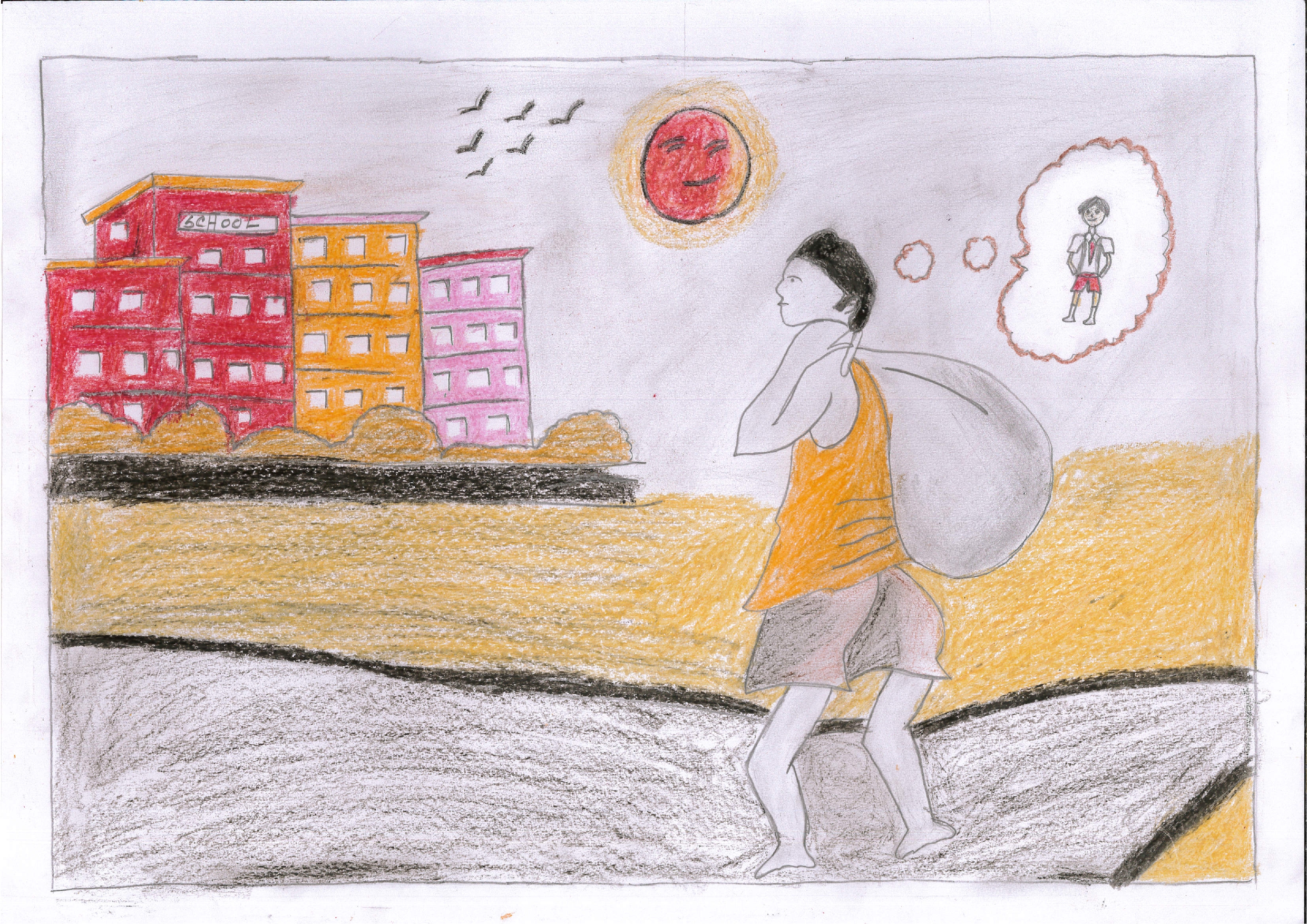
- Prevalence: Approximately 47% of workers in the Keraniganj apparel hub are children aged between 5 and 17 years.
- Number of Child Laborers: Over 120,000 children are engaged in child labor within the Keraniganj industrial area.
- Hazardous Working Conditions: 95% of factories in Keraniganj operate in hazardous conditions, exposing children to various health risks.
- Low Wages and Poor Working Conditions: Child laborers often receive minimal wages and work in cramped, unsanitary conditions.
- Educational Disruption: Child labor significantly impacts children’s education, limiting their future opportunities.
Insights:
- Age Range: Children as young as 5 years old are employed in the garment industry.
- Working Hours: Child laborers often work long hours, exceeding legal limits.
- Health Risks: Exposure to hazardous chemicals, excessive noise, and poor working conditions can lead to severe health problems.
- Social and Psychological Impact: Child labor can lead to social isolation, depression, and anxiety.
The Impact of Child Labor in Keraniganj
Child labor in Keraniganj has far-reaching consequences for both the individual children and society as a whole:
Individual Impact:
- Health Risks: Children exposed to hazardous working conditions are at risk of developing various health problems, including respiratory illnesses, musculoskeletal disorders, and mental health issues.
- Educational Disruption: Child labor prevents children from attending school, limiting their future opportunities.
- Social and Psychological Trauma: Children who work long hours in harsh conditions often suffer from social isolation, depression, and anxiety.
Societal Impact:
- Economic Loss: Child labor hinders human capital development, impacting the overall economic growth of the region.
- Social Inequality: Child labor perpetuates poverty and inequality, creating a vicious cycle.
- Damaged Reputation: The prevalence of child labor tarnishes the reputation of the garment industry and Bangladesh’s overall image.
Child Labour in Keraniganj
Keraniganj, a heavily industrialized area near Dhaka, faces a significant child labor problem. Children as young as six are employed in factories, often working long hours in hazardous conditions for low wages. This stems from poverty and a lack of access to education.